

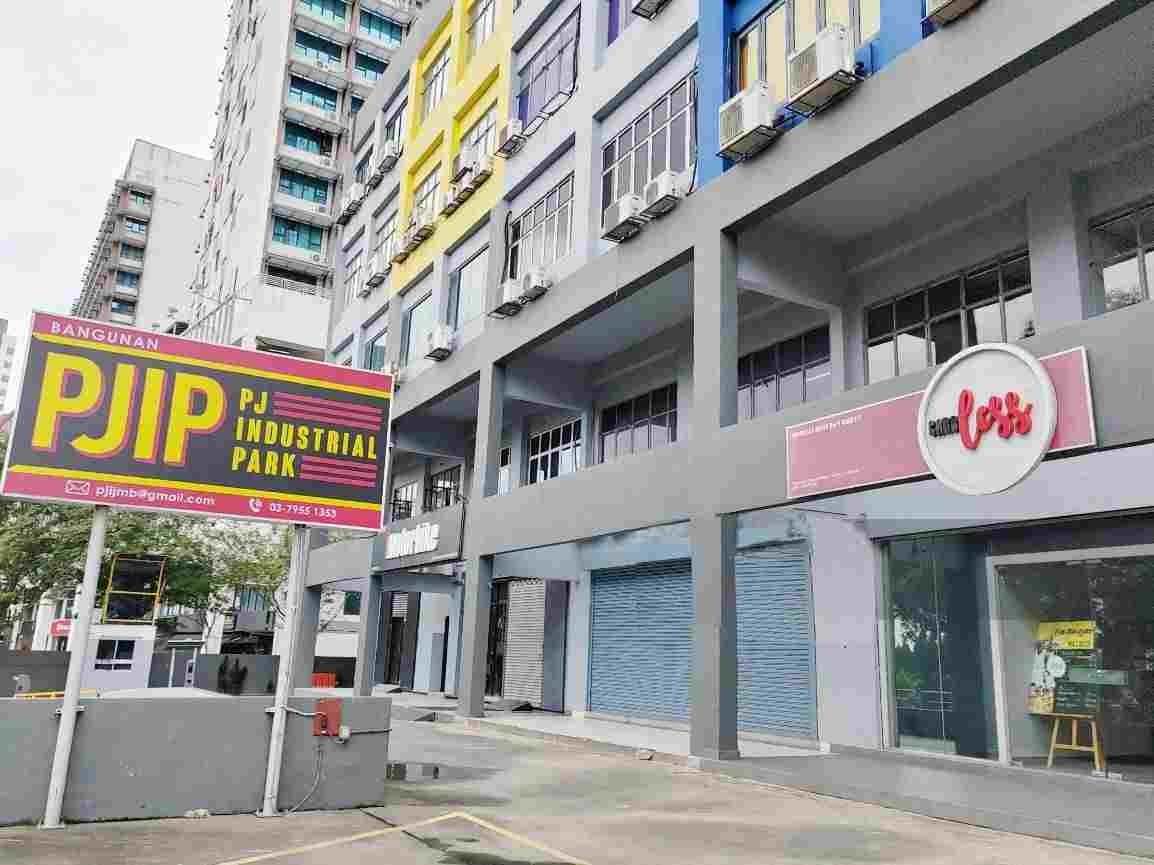
Nestled within the vibrant and densely developed Petaling Jaya conurbation, PJ Industrial Park stands not as a relic of the past, but as a continuously evolving engine of Malaysia’s industrial and commercial prowess. As one of the earliest planned industrial areas in Selangor, its significance has transformed from a post-independence manufacturing base into a multifaceted hub for light industry, logistics, technology, and services. For businesses seeking a strategic location with established infrastructure, deep talent pools, and unparalleled connectivity, PJ Industrial Park remains a premier choice. Navigating its nuances, however, requires expert insight, a need that comprehensive resources such as the guide to PJ Industrial Park by Industrial Malaysia perfectly meet.
The Evolution of a Powerhouse
Petaling Jaya’s inception as Malaysia’s first satellite town laid the groundwork for its industrial zones. PJ Industrial Park, encompassing areas such as Sections 13, 14, 19, 20, and 51, was designed to decentralize industry from Kuala Lumpur. Over the decades, it has successfully matured. While some heavy industries have relocated, the park has adapted, now hosting a sophisticated mix of:
- Light Manufacturing & Assembly: Precision engineering, automotive components, food processing, and pharmaceutical production.
- Warehousing & Logistics: Strategically placed distribution centers serving the Klang Valley’s massive consumer market.
- Technology & Services: A growing number of tech firms, software developers, and corporate back-office operations.
- Headquarters & Showrooms: Numerous local and international companies utilize its visibility and accessibility for their flagship offices and retail spaces.
This diversification is its greatest strength, creating a resilient and synergistic business ecosystem.
The Irresistible Value Proposition
The enduring appeal of PJ Industrial Park for businesses is rooted in several concrete advantages:
- Unmatched Connectivity: The gold standard for accessibility. Situated within the web of major highways—the Federal Highway, LDP, NKVE, and SPRINT—it offers direct links to Port Klang, Kuala Lumpur City Centre, KLIA, and the rest of Selangor. This drastically reduces logistics costs and time.
- Established Infrastructure: Decades of development mean reliable utilities, well-maintained (though often busy) road networks within the park, and comprehensive support services from banking to telecoms.
- Access to Talent: Proximity to numerous universities (University of Malaya, Taylor’s University, etc.) and residential suburbs like Damansara, Bangsar, and Subang Jaya provides access to a vast, skilled, and multi-lingual workforce.
- Commercial Synergy: Being in a mature ecosystem means everything is nearby. Suppliers, clients, service providers, and partners are often just a short drive away, facilitating just-in-time operations and fostering business collaboration.
Navigating the Challenges: The Need for a Guide
Despite its advantages, PJ Industrial Park presents modern challenges. Traffic congestion during peak hours is a reality. Older facilities may require upgrading to meet contemporary operational or sustainability standards. The commercial property landscape is competitive, with varying rates, lease terms, and zoning regulations (governed by the MBPJ).
For a business owner, investor, or operations manager, making an informed decision requires more than just driving through the area. It demands deep, localized knowledge on:
- Specific Sub-zone Characteristics: What is the difference between the ecosystem in Section 13 versus Section 51?
- Real Estate Intelligence: Current rental and capital values, facility specifications, and landlord reputations.
- Regulatory Navigation: Understanding MBPJ’s requirements for business licenses, signage, and waste management.
- Strategic Fit: Determining if the park’s cost and logistical profile align with specific business operations.
The Role of the Guide to PJ Industrial Park by Industrial Malaysia
This is where a specialized resource becomes invaluable. The Guide to PJ Industrial Park by Industrial Malaysia serves as a critical decision-support tool. It goes beyond basic directory listings to offer analytical and strategic insights. For businesses, it acts as a force multiplier by providing:
- Curated Market Analysis: Data-driven overviews of property trends, vacancy rates, and cost benchmarks.
- Operational Practicalities: Insights into traffic patterns, workforce availability in specific sections, and utility service providers.
- Regulatory Framework: Clarification on local council policies and compliance checklists.
- Success Case Studies: Profiles of businesses thriving within the park, highlighting adaptable business models.
In essence, the guide transforms raw data and geographical space into actionable business intelligence. It empowers companies to move from considering PJ Industrial Park to confidently investing and operating within it, ensuring they leverage its historical strengths while mitigating its contemporary challenges.
In conclusion, PJ Industrial Park is more than just land and buildings; it is a dynamic, living ecosystem central to the Klang Valley’s economy. Success here requires smart navigation. Leveraging expert, consolidated knowledge through guides like those from Industrial Malaysia is no longer a luxury, but a strategic necessity for businesses aiming to secure their place in this competitive and rewarding industrial heartland.
FAQ: PJ Industrial Park & The Industrial Malaysia Guide
1. What types of businesses are best suited for PJ Industrial Park today?
PJ Industrial Park is ideal for businesses that prioritize location and connectivity over massive, land-intensive space. It excels for: light manufacturing/assembly (e.g., electronics, medical devices), regional distribution and logistics centers, corporate headquarters and showrooms, R&D facilities, tech companies, and specialized B2B services (marketing, software, engineering). It is less suited for heavy industries requiring large plots or those with major environmental footprints.
2. What are the main challenges of operating in PJ Industrial Park, and how can the guide help?
The primary challenges are traffic congestion during peak hours, higher operational costs (rent, wages) compared to outer areas, and competition for space. The Guide to PJ Industrial Park by Industrial Malaysia provides data on traffic flow patterns to inform logistics scheduling, benchmarks real estate costs to aid budgeting, and identifies available properties that match specific operational needs to streamline the search process.
3. How does the guide help with regulatory and licensing procedures?
Navigating the Petaling Jaya City Council (MBPJ) regulations can be complex. The guide demystifies this by outlining the common licenses required for different business types, providing checklists for application submissions, and clarifying regulations related to signage, waste disposal, and building modifications. This helps prevent costly delays or compliance issues.
4. As a foreign investor, what key information does the Industrial Malaysia guide provide me?
For foreign investors, the guide is crucial for mitigating entry risk. It offers:
- Market Context: Explaining the park’s position in the supply chain and economy.
- Legal & Regulatory Overview: Highlighting key considerations for foreign-owned entities.
- Partner Ecosystem: Identifying reputable real estate agents, legal firms, and setup consultants.
- Practical Cost Analysis: Providing transparent data on total operational expenditure, not just rent.
5. Is PJ Industrial Park still a good investment given the rise of newer industrial parks in Cyberjaya or Kota Kinabalu Industrial Park (KKIP)?
It remains an excellent investment, but for different reasons. Newer parks often offer more modern facilities and larger plots. PJ’s value is in its irreplaceable strategic location, maturity, and network effects. The guide facilitates a direct comparison by analyzing the total operating costs, accessibility to your target market, and access to the talent pool. For businesses where proximity to Kuala Lumpur’s core and established infrastructure is critical, PJ Industrial Park often presents the superior ROI, a nuance the guide helps quantify.